
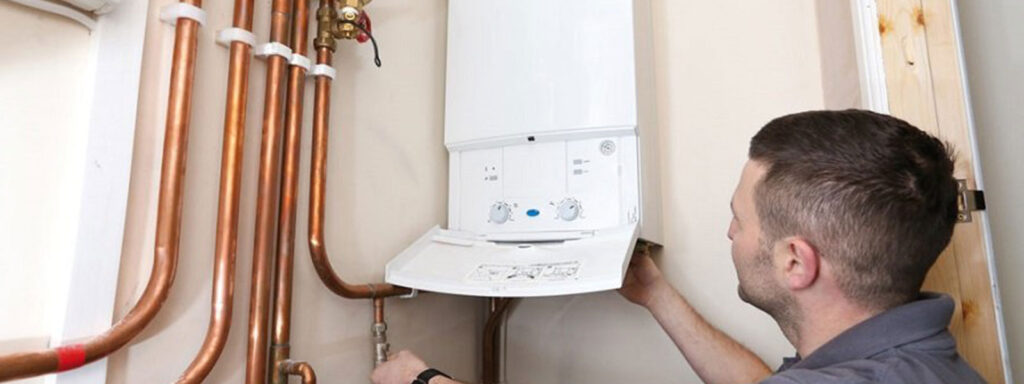
As a property owner, ensuring the safety of your premises and its occupants is a paramount responsibility. To maintain a safe environment for living or working, adherence to specific safety regulations is mandatory, particularly when it comes to gas appliances.
Understanding Your Gas Safety Obligations: Owning a property with gas appliances necessitates compliance with gas safety regulations, including regular maintenance and obtaining a gas safety certificate.
Obtaining a Gas Safety Certificate: This certificate is issued following an inspection by a Gas Safe-registered engineer, who evaluates gas appliances and pipework for compliance.
Key Aspects of Landlords’ Gas Safety Inspection: An engineer will assess several factors to issue a certificate, including:
- Checking for gas leaks to ensure appliance and pipe tightness.
- Evaluating standing and working pressures at test points.
- Comparing burner pressure and gas rate against manufacturer specifications.
- Verifying proper ventilation for gas appliances.
- Ensuring flue flow for safe removal of combustible products.
- Testing flame failure devices for satisfactory operation.
- Inspecting the physical stability, effectiveness, and use of stability brackets.
- Reporting any signs of unsafe operation until all safety checks are passed.
- Including a full system tightness test in the safety inspection.
Details in the Landlords Gas Safety Record: Post-inspection, a comprehensive report is provided, encompassing:
- Descriptions and locations of each appliance and gas check.
- Engineer’s details, including name, signature, and registration number.
- Inspection date and property address.
- Landlord (or agent) information.
- Identified defects, with repair recommendations.
- Confirmation of operational check results.
Landlords must renew their Gas Safety Certificate annually to ensure continuous compliance.